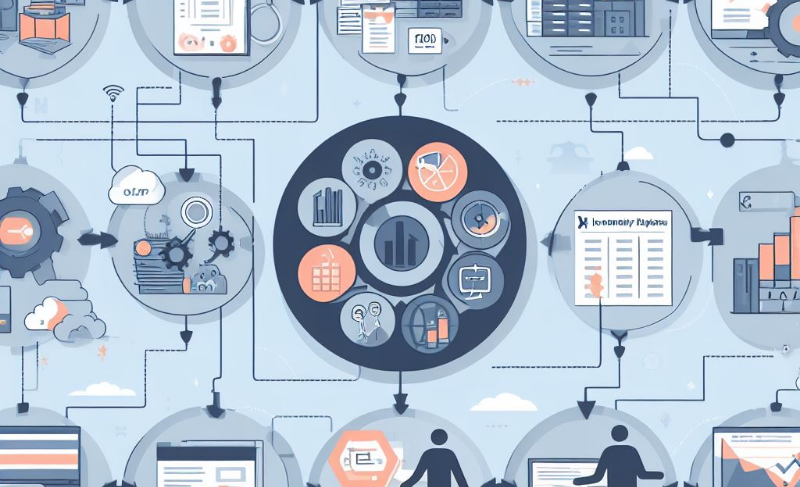
[NULL] is an essential aspect of any business operation, and when it comes to enterprise resource planning (ERP) systems, data management becomes even more crucial.
ERP systems, like [NULL], are designed to integrate various departments and functions within an organization. These systems can handle a wide range of activities, including finance, human resources, inventory management, and more. However, without proper data management, an ERP system can quickly become ineffective.
Data management in an ERP system involves the collection, organization, storage, and retrieval of data throughout its lifecycle. This includes data entry, data validation, data governance, and data security. A robust data management strategy ensures the accuracy, integrity, and availability of data within the ERP system.
One of the key elements of data management in an ERP system is data integration. ERP systems rely on data from various sources and departments, and it is crucial to have a seamless process of integrating this data. This ensures that accurate and up-to-date information is available across all modules of the ERP system.
Data cleansing and validation is another important aspect of data management in ERP. Duplicate, incomplete, or inaccurate data can lead to erroneous results and incorrect decision-making. Regular data cleansing and validation processes help in maintaining data accuracy and reliability.
Data governance plays a critical role in data management within an ERP system. It involves defining data standards, policies, and procedures to ensure data quality, privacy, and compliance. Data governance also includes roles and responsibilities for data management, data ownership, and data access controls.
Lastly, data security is a major concern in ERP systems. With sensitive business information being stored within the system, it is essential to have strong security measures in place. This includes user access controls, encryption, secure backups, and disaster recovery plans.
In conclusion, effective data management is a key component of successful ERP implementation. A well-defined data management strategy ensures the accuracy, integrity, and security of data within the ERP system. With proper data management practices, organizations can leverage the full potential of their ERP systems and make informed business decisions.