When it comes to managing a successful business, having an **Enterprise Resource Planning (ERP)** system in place is essential. But what exactly is ERP and why do businesses need it?
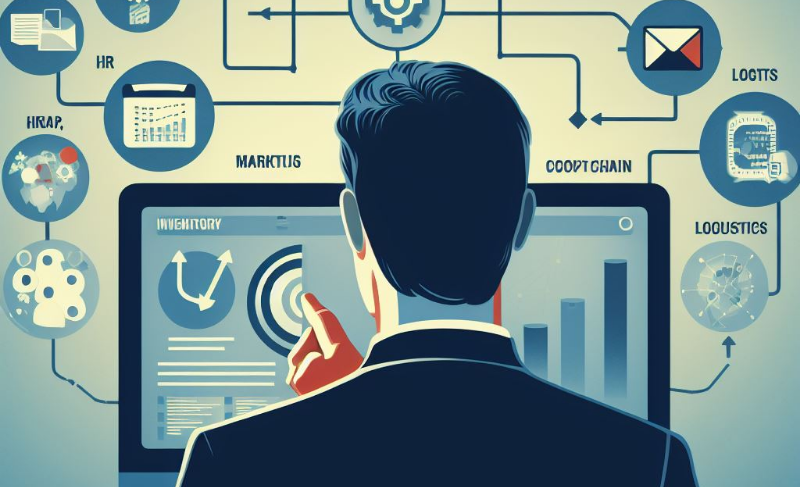
ERP is a software that integrates various business processes and functions into one centralized system. It helps streamline operations, enhance efficiency, and improve decision-making. Here are some reasons why businesses should consider implementing ERP:
1. Improved Visibility and Control: ERP provides real-time visibility into all aspects of a business, allowing managers to make informed decisions based on accurate data. It helps businesses gain better control over inventory, sales, finances, and other critical processes.
2. Increased Efficiency: ERP automates repetitive tasks, reduces manual errors, and enhances operational efficiency. It eliminates the need for manual data entry, spreadsheets, and multiple disconnected systems, enabling employees to focus on more value-added activities.
3. Enhanced Collaboration: ERP promotes collaboration by providing a central platform for sharing data and information across various departments and teams. It improves communication, breaks down silos, and enables cross-functional collaboration, leading to better coordination and productivity.
4. Scalability and Flexibility: ERP systems are designed to grow with businesses. They offer scalability and flexibility, allowing organizations to add new functionalities, modules, or users as their business expands. This ensures that businesses can adapt to changing needs and market demands.
5. Cost Savings: While implementing an ERP system may have upfront costs, it can result in long-term cost savings. By streamlining processes, reducing duplication, and enhancing efficiency, ERP helps businesses eliminate unnecessary expenses, optimize resource allocation, and reduce operational costs.
6. Improved Customer Service: ERP enables businesses to provide better customer service by centralizing customer data, allowing for quick and accurate responses to customer queries and requests. It helps businesses deliver personalized services, improve customer satisfaction, and build long-lasting relationships.
Overall, ERP plays a crucial role in helping businesses streamline operations, improve efficiency, and stay competitive in today's dynamic business landscape. It empowers businesses with better visibility, control, and collaboration, while enabling them to adapt and grow. Implementing an ERP system can bring significant benefits and position businesses for long-term success.