Why Businesses Need ERP
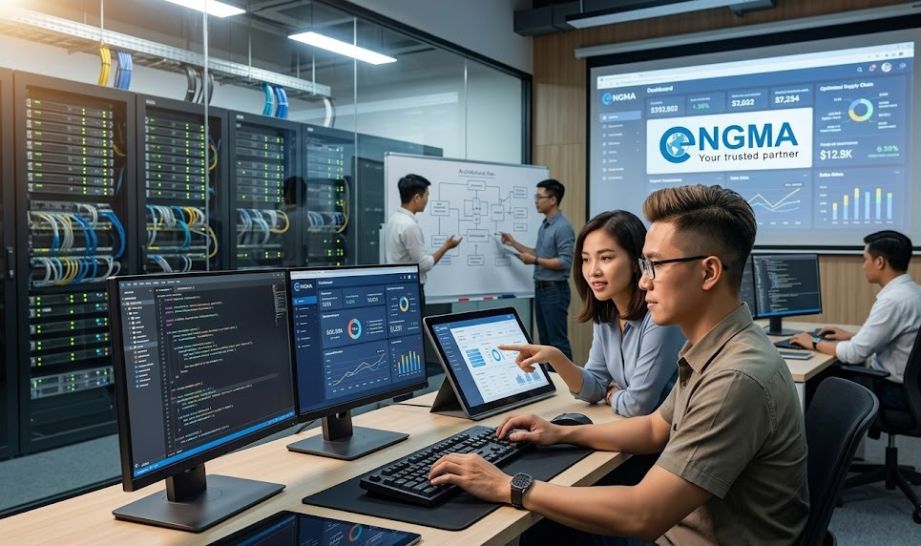
Enterprise Resource Planning (ERP) has become an essential tool for companies to streamline their operations and optimize business processes. ERP systems provide a centralized platform that integrates various functions, departments, and business processes into a single system.
Improved Efficiency and Productivity
One of the primary reasons why businesses need ERP is to improve efficiency and productivity. With an ERP system in place, companies can automate routine tasks, reduce manual errors, and eliminate data duplication. This ensures that employees can focus on more value-added activities, leading to increased productivity.
Real-time Data and Insights
ERP systems allow businesses to access real-time data and insights, enabling them to make informed decisions promptly. The centralized database of an ERP system provides accurate and up-to-date information about various business processes, such as inventory, sales, finance, and customer data. Having access to real-time information helps businesses identify trends, spot bottlenecks, and make timely adjustments.
Enhanced Collaboration and Communication
ERP systems promote enhanced collaboration and communication within the organization. By integrating different departments and functions, an ERP system facilitates smooth information flow, allowing employees to work seamlessly across teams. This eliminates the need for multiple standalone systems and promotes collaboration, improving overall efficiency.
Cost Savings
Implementing an ERP system can result in significant cost savings for businesses. By automating tasks, reducing errors, and improving efficiency, companies can minimize operational costs. Additionally, ERP systems help in better inventory management and resource planning, avoiding unnecessary stockpiling and reducing capital tied up in inventory.
Competitive Advantage
An ERP system provides businesses with a competitive edge in the market. With streamlined operations, improved productivity, and access to real-time data, companies can respond quickly to changing market demands. This agility allows businesses to make faster decisions, respond to customer needs promptly, and stay ahead of the competition.
In conclusion, ERP is a critical tool that businesses need to streamline their operations, improve productivity, and gain a competitive advantage in the market. By integrating various functions and providing real-time insights, ERP systems help businesses make informed decisions, enhance collaboration, and achieve cost savings. Investing in an ERP system is crucial for companies looking to stay relevant and succeed in today's dynamic business environment.