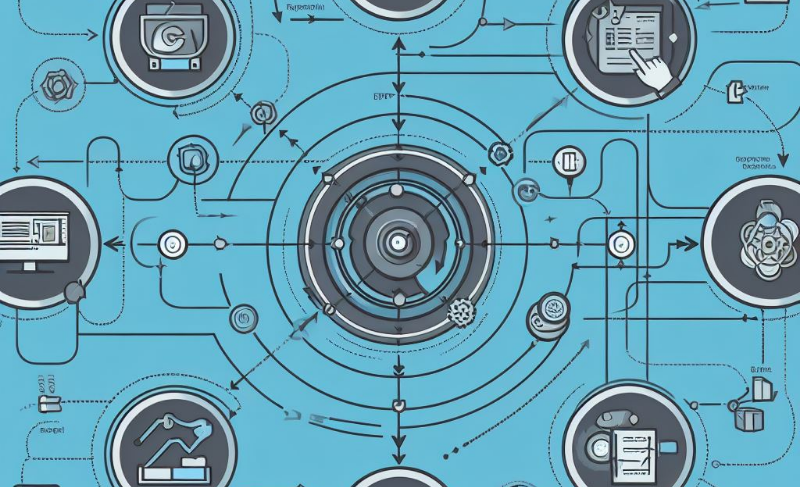
ERP is an acronym for Enterprise Resource Planning. It refers to a software system that allows organizations to manage and integrate their core business processes. ERP combines various functions such as accounting, finance, human resources, inventory management, and customer relationship management into a single system.
ERP được hiểu như thế nào ?
ERP provides a centralized platform where businesses can streamline their operations, improve efficiency, and make data-driven decisions. It allows different departments within an organization to access and share real-time information, eliminating data silos and promoting collaboration.
ERP bao gồm những gì?
ERP software typically consists of modules that address different aspects of a company's operations. These modules can be customized and tailored to meet the specific needs of each organization. Common ERP modules include:
- Financial Management: Tracks a company's financial transactions, manages budgets, and generates financial reports.
- Inventory Management: Controls stock levels, monitors product movement, and optimizes supply chain processes.
- Human Resources: Manages employee information, tracks attendance, processes payroll, and administers benefits.
- Sales and Customer Relationship Management (CRM): Manages sales processes, tracks leads, and provides customer support.
Vai trò của ERP trong công việc
ERP plays a critical role in streamlining business operations, improving productivity, and enabling better decision-making. It provides organizations with:
- Integrated Data: ERP eliminates the need for multiple standalone systems and ensures that all data is stored in a single, unified database. This enables real-time access to accurate information from various departments.
- Process Automation: ERP automates routine tasks such as data entry, inventory management, and report generation, saving time and reducing manual errors.
- Improved Collaboration: By sharing a common system, different departments can collaborate more effectively, communicate seamlessly, and gain a holistic view of the business.
- Data Analysis: ERP systems provide powerful analytics tools that help businesses analyze trends, identify opportunities, and make data-driven decisions.
In conclusion, ERP is a comprehensive software solution that integrates various business functions into a unified system. Its role goes beyond simplifying processes; it empowers organizations to achieve increased efficiency, productivity, and competitiveness in today's dynamic business landscape.