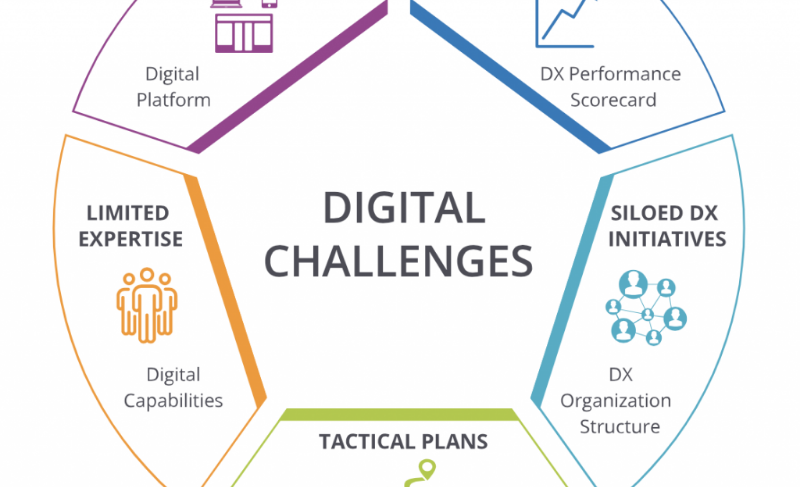
In today's rapidly evolving digital landscape, businesses are faced with both exciting opportunities and daunting challenges as they navigate the complexities of digital transformation in the era of Industry 4.0. As technology continues to advance at an unprecedented pace, organizations must adapt and innovate to capitalize on the vast potential that digitalization offers.
Opportunities
Innovative Solutions: One of the key opportunities of digital transformation is the ability to leverage cutting-edge technologies to develop innovative solutions that improve business operations and enhance customer experiences. From artificial intelligence and machine learning to the Internet of Things and blockchain, businesses can harness a wide range of technologies to drive growth and stay ahead of the competition.
Increased Efficiency: Digital transformation enables organizations to streamline processes, automate mundane tasks, and optimize workflows, leading to increased efficiency and cost savings. By embracing digital tools and platforms, businesses can eliminate manual processes and achieve greater operational efficiency, ultimately enhancing their bottom line.
Enhanced Data Analytics: With the proliferation of data in today's digital world, organizations have access to vast amounts of valuable information that can be leveraged to make informed decisions and drive strategic initiatives. Advanced analytics tools and technologies enable businesses to analyze data in real-time, uncover insights, and make data-driven decisions that drive growth and innovation.
Challenges
Technical Complexity: One of the major challenges of digital transformation is the technical complexity involved in implementing and integrating new technologies and systems. As organizations adopt digital solutions, they may encounter barriers such as compatibility issues, security concerns, and data privacy challenges that must be addressed to ensure a successful transformation.
Resistance to Change: Another common challenge of digital transformation is resistance to change among employees and stakeholders. The rapid pace of technological change can be overwhelming for some individuals, leading to resistance and reluctance to embrace new digital tools and processes. Organizations must invest in change management strategies and provide training and support to help employees adapt to digital transformation initiatives.
Cybersecurity Risks: As organizations digitize their operations and rely on digital technologies, they are exposed to a range of cybersecurity risks and threats. From data breaches and ransomware attacks to phishing scams and malware, businesses must prioritize cybersecurity measures to protect their sensitive information and safeguard their digital assets from cyber threats.
Overall, the opportunities and challenges of digital transformation in the era of Industry 4.0 highlight the importance of strategic planning, innovation, and adaptability for businesses looking to thrive in the digital age. By embracing digitalization and overcoming obstacles, organizations can unlock new growth opportunities, drive operational efficiency, and achieve long-term success in an increasingly digital world.