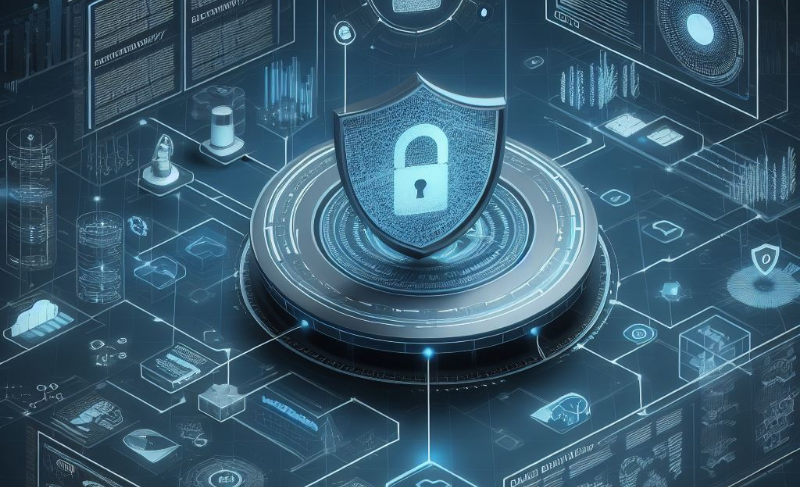
With the increasing adoption of Enterprise Resource Planning (ERP) systems across various industries, the importance of security in ERP has become a major concern. Organizations rely heavily on ERP systems to manage their core business processes, making it imperative to protect sensitive data and prevent unauthorized access.
ERP systems are designed to integrate different functional areas of an organization into a single database and platform, providing a centralized view of operations. This consolidation of data and processes also presents a potential security risk if proper measures are not in place.
Key challenges in ensuring security within ERPs:
- 1. Data privacy and confidentiality: ERP systems contain a vast amount of sensitive information, including financial data, customer details, and intellectual property. Protecting this data from external threats and internal breaches is critical.
- 2. Network vulnerabilities: Interconnected networks within ERP systems create opportunities for attackers to exploit vulnerabilities and gain unauthorized access to sensitive information.
- 3. User access control: Implementing strong access controls, including user authentication and authorization, is essential to prevent unauthorized individuals from accessing sensitive data or manipulating system functionalities.
- 4. Patch management: Keeping ERP systems up to date with the latest security patches is crucial in addressing known vulnerabilities and minimizing the risk of potential attacks.
Best practices for securing ERP systems:
- 1. Conduct regular security audits and vulnerability assessments to identify potential weaknesses and gaps in the system.
- 2. Implement role-based access controls to ensure users only have access to the information necessary for their job responsibilities.
- 3. Encrypt sensitive data both at rest and in transit to protect it from unauthorized interception or theft.
- 4. Train employees on security awareness and best practices, including strong password management and detection of phishing attempts.
- 5. Continuously monitor the ERP system for any suspicious activity or anomalies that may indicate a security breach.
By prioritizing security in ERP, organizations can safeguard their critical business data and maintain the trust of their customers and stakeholders. As technology evolves, so do the threats, making it essential to stay proactive in implementing robust security measures.