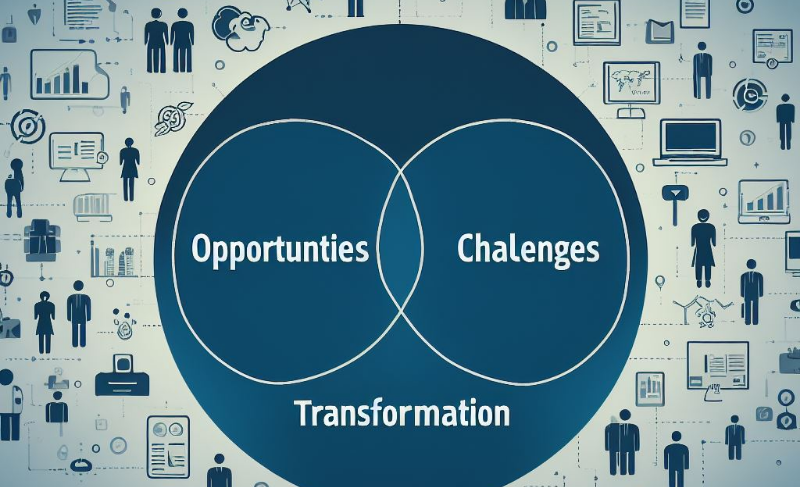
With the rise of Industry 4.0 and the rapid advancement of technology, businesses and industries around the world are faced with tremendous opportunities and challenges when it comes to digital transformation. The fourth industrial revolution, characterized by the integration of digital technologies and artificial intelligence into the manufacturing process, has the potential to revolutionize the way we work and live.
In this era of digital transformation, organizations have the opportunity to streamline their operations, improve efficiency, and increase productivity. By harnessing the power of data analytics, automation, and smart technologies, businesses can optimize their processes, reduce costs, and deliver better products and services to their customers.
However, digital transformation also comes with its fair share of challenges. As organizations adopt new technologies and processes, they must navigate issues such as cybersecurity threats, data privacy concerns, and the impact of automation on the workforce. There is also the challenge of effectively managing and integrating new technologies into existing systems and workflows.
Despite these challenges, the benefits of digital transformation are clear. Organizations that embrace digital technologies and adapt to the changing landscape of Industry 4.0 are positioned to thrive in the global economy. By staying agile, innovative, and customer-focused, businesses can leverage the power of technology to drive growth, create new opportunities, and stay ahead of the competition.
In conclusion, the era of Industry 4.0 presents both opportunities and challenges for organizations looking to undergo digital transformation. By embracing new technologies, fostering a culture of innovation, and building a strong digital infrastructure, businesses can position themselves for success in the digital age.